Earlier this year I discovered that binges with Diet Dr. Pepper were dropping my platelet counts. I needed the caffeine and didn’t feel the dropped count physically but did feel stupid about overdoing it. After dipping into 6 or 8 potential blogs’ worth of background, I’ve since realized that food effects on platelets are varied and complex – but also that recommendations in this field are based on limited clinical data. Much of it is from test tubes or animal studies.
In case you’ve forgotten the biology: platelets are a blood component, aka thrombocytes. Collagen protein at wound sites turns them on and gives them a scaffold for clumping, to stanch the bleeding. We have 5-10% as many platelets as red blood cells, also the platelets are only one-fifth their size, and in general women produce more than men do. Normally the body keeps platelets inactive, and switches them on at wound sites.
Technically platelets aren’t even cells; they’re cytoplasm fragments. And they expire after just 8 or 9 days, so bone marrow keeps cranking them out. Certain foods limit production: alcohol, cranberry juice, pomegranates, garlic, onion, quinine (in tonic water and bitter lemon), tryptophan amino acid (in turkey meat), omega 3-rich seafoods, aspartame artificial sweetener, and maybe cow’s milk. Interestingly, cranberry juice is a recovery drink at blood donor centers; it may not matter as collection frequency is 14 days, i.e., longer than platelet cycles.
Now you’d think that platelets are a good thing, otherwise we might bleed to death after any cut. But the technical literature praises anti-platelet foods, because less clumping is good for cardiovascular health. The jargon is confusing, because the term “anti-platelet” describes both production cutbacks and clumping cutbacks, even though some foods do only one or the other. Btw, the clumping reductions are achieved by making the things less self-sticky.
The anti-platelet literature has an opposite universe that addresses platelet scarcity due to disorders. This includes minimizing foods that trigger natural blood thinners, such as garlic, onions, tomatoes, red/purple grapes and berries. Ginger and ginseng can similarly thin the blood. And the phenolic compounds (not the caffeine) in coffee also have a clumping cutback effect.
To increase platelet counts physicians advise eating foods rich in iron, folates, and certain vitamins: B12, C, D and K. The foods shown below appear in multiple categories for that.
- Beans and bean-derived products (e.g., tofu, natto);
- Dark leafy greens;
- Cruciferous vegetables (cabbage family, including broccoli, kale, Brussel sprouts, bok choy, arugula, collards, watercress, radishes, etc.);
- Fruit;
- Fortified foods (grains and dairy or dairy alternatives) and yeast;
- (For the carnivorous) eggs, fish and beef; and
- Supplements.
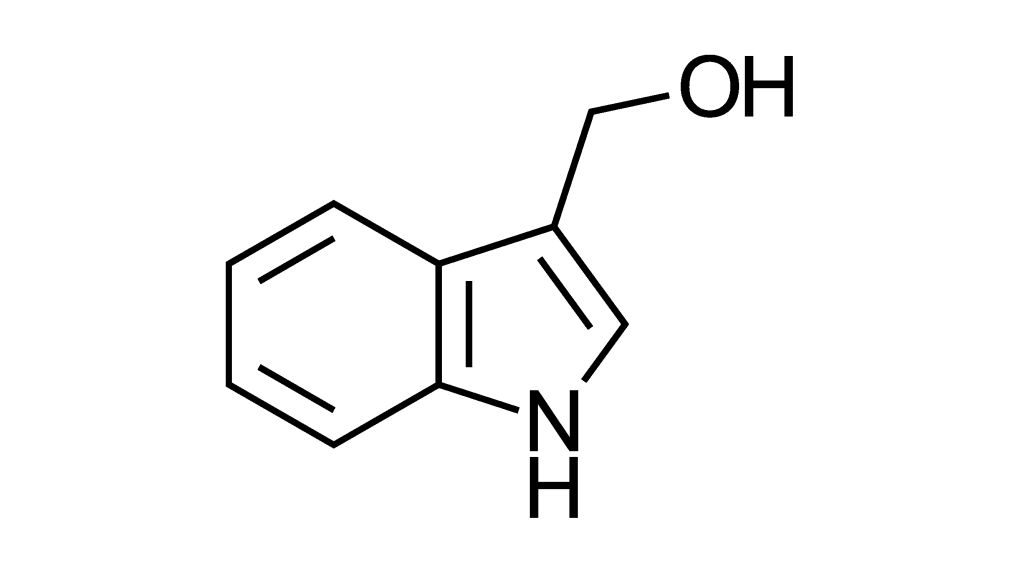
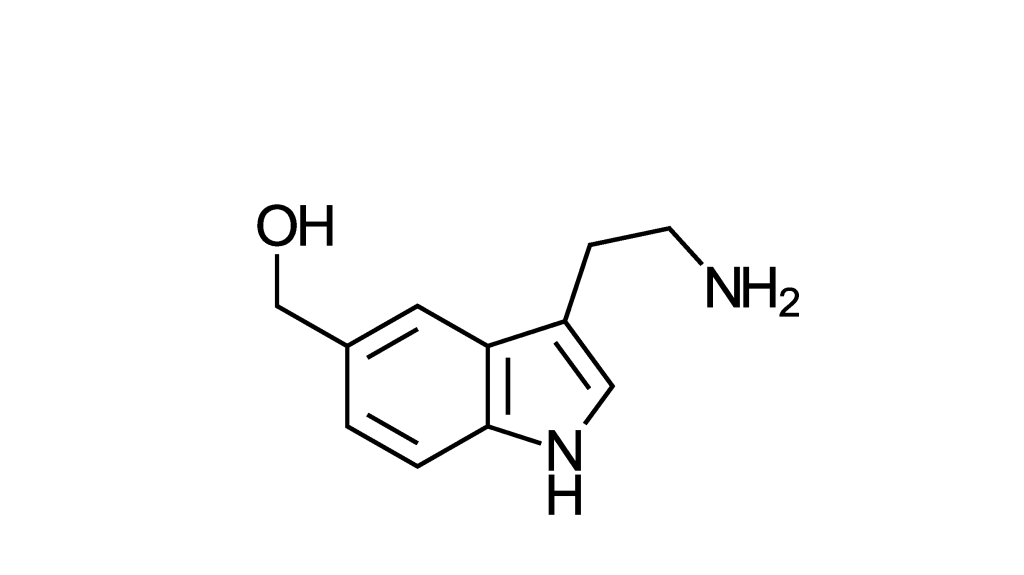
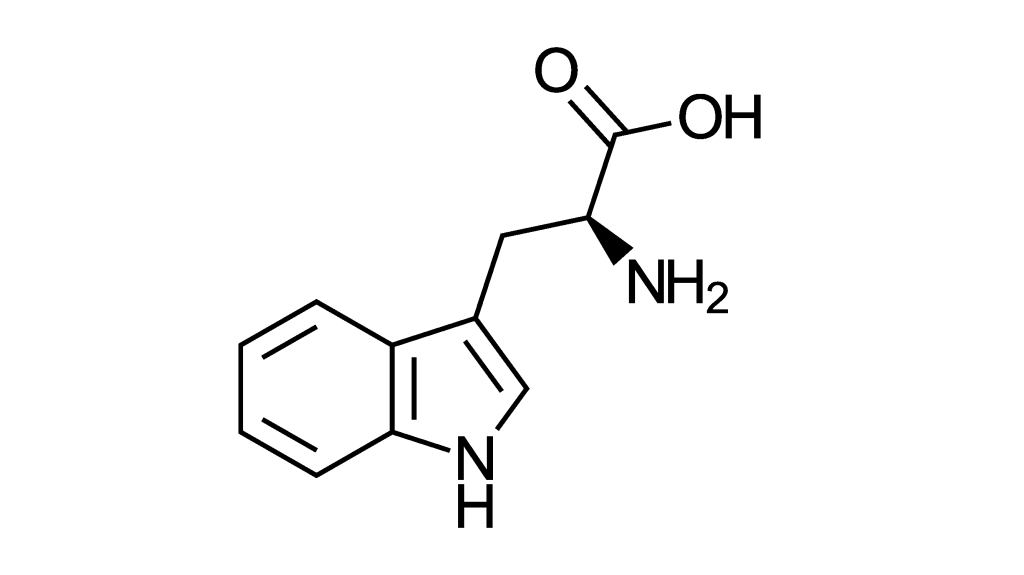
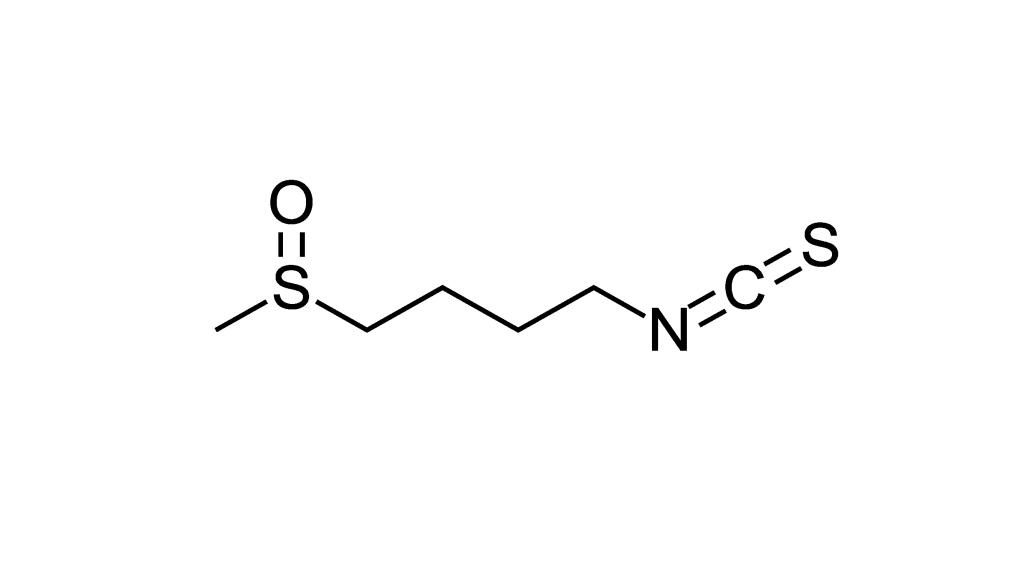
Cruciferous veggies merit special respect: they make at least four types of compounds that inhibit activation (i.e., inhibit clumping): (A) vitamin C; (B) indole-3-carbinol; (C) sulforaphane (an isothiocyanate); and (D) anthocyanins, including natural dyes in red cabbage and radishes. Readers interested in cancer should note: (B) and (C) are anti-cancer, and (A) and (D) are antioxidants and perhaps anti-cancer. Also, cruciferous vegetables are antimicrobial. Interestingly, indole-3-carbinol is chemically similar to serotonin (the brain’s happiness compound) and tryptophan (the sleep-inducing amino acid in turkey). Tryptophan reduces platelet counts, as noted above. By contrast, serotonin – which the body makes from tryptophan – is densely concentrated in platelets, and also regulates activity in the blood, and also is part of the machinery of immune complexes, and also weakly triggers clumping and shrinkage of blood vessels. So this is an instance where chemical similarity is a poor predictor of the medical effect.
Food for Thought
B.J. McEwen, “The influence of diet and nutrients on platelet function,” Seminars in Thrombosis and Hemostasis, 40(2):214-216 (March 2014), abstract posted at https://www.ncbi.nlm.nih.gov/pubmed/24497119 .
Beata Olas, “Dietary supplements with antiplatelet activity: A solution for everyone?” Advances in Nutrition, 9:51-57 (2018), posted in full at https://watermark.silverchair.com/nmx014.pdf?token=AQECAHi208BE49Ooan9kkhW_Ercy7Dm3ZL_9Cf3qfKAc485ysgAAAmEwggJdBgkqhkiG9w0BBwagggJOMIICSgIBADCCAkMGCSqGSIb3DQEHATAeBglghkgBZQMEAS4wEQQMmzGXHY1hiOgM6xImAgEQgIICFPf_eQADZxqa5a8AuDZxcd8tB58FOJoa971Rc1LvdcSiSu0brVERMgOPxOfRc23DcBBDrpjRBxFFG30_EHhFGNLmrRnL8DOJji26XomM7wWqPytG4ArEP_3_U908lktY6SrvONpJppUUKHY66lapCjD3W_AyM6TpI8OM2zC-Rk36cUscS3yK5kwLre68ynR85AtIMBrH07XH0Ui2XBO6Hx-0F0hxWsTcQE3U4Qxd8WZygGl97CpcCdWQ06ezX5NItPJyU-kAzku9T1oH7W8hHMPEE4b-qWXoGSgUla7BM0QvILoiN1avMAm0XusTbzwR9Au0z2NkYKkR1bwHnRUUbEBThgL0w0IXwHVQw46zHMOHirQQYUhVPvJd3PZv-PKlba8AboF_PIgxBDgXtsesBqXJQWq89JE0UnvPg58z_6Pp0lQ2ORG0JQjcFUr-w1bI1AfNnJTj4LKfiovbelG4VyGa5Zfhgrl4ItR0C03N-5yghuJCIZ4D5UD8jBrBrB9PQf_Cu8wOXd0miYxuqnZL3-_SmF-LNSraoLYXxRXQ-dIZcRXVw6afELojK_Xokvu5jZJBGbr72gm3lOHqgxi4PRKxTEeByR_jtKkIQaintP9VpsKkQSrCziHHMOy7FRJF3T_ovvgcku0S0BUm2i2ip0BrtUyN4F3k4kp0i8JobzUg5Bf2YEOk7GQIpdub1pjo1udQKJY
 Circling-V ™