Green Tea … and how to boost EGCG as an antiviral

Sometimes the medicines for a new type of crisis are already in the pantry. A preprint posted last week compares the computational fit (“docking”) between COVID proteins and a library of about 8,000 compounds. The library includes synthetic antiviral drugs as well as natural compounds from traditional Chinese medicine. One goal is to skip safety testing, since these compounds already have a history. Here, a green tea component is among the winners.

That’s good, because the other highlighted natural compounds have big downsides. (1) LSD-related Metergoline docks very well to COVID spike (attachment) protein. (2) Lobeline (from plant genus Lobelia) has a narrow safe therapeutic range; it’s an addiction cessation drug and docks to spike protein and non-structural proteins. (3) Bicuculine (from Corydalis species) causes epilepsy effects; it docks to non-structural proteins. (4) Caffeine and (5) theophylline didn’t do well against COVID proteins; the paper didn’t give results for theobromine.

The catechin EGCG (epigallocatechin gallate) was more promising. Computer models found that it binds almost as well to the spike protein as synthetic antivirals do (modestly well) and was in the top 5% of test molecules for binding to non-structural proteins. As a reminder, catechins are a class of natural chemicals. They’re not the stringy seed-bearing catkins we see on some trees. Many plant-based foods have EGCG, but green tea is the leader. EGCG is also in: other teas, fruits (especially berries), tree nuts, dark chocolate, red wine, and legumes. It’s a potent antioxidant, antiviral, and anticancer agent, and is also among my favorite molecules.
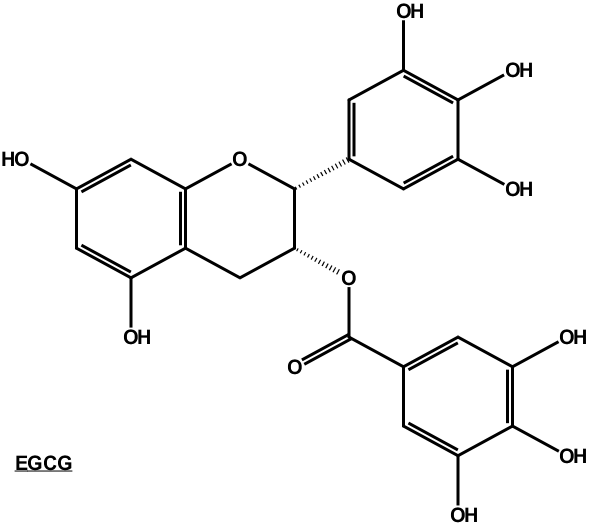
The anticancer aspect has been a quandary because green tea results are impressive in test tubes and animal trials, but mixed or weak in human trials. My *guess* is that the analysis there underestimated the bioavailability hurdles, and that this is relevant for antiviral effects also. Only 10% of ingested EGCG and related catechins reach the blood; the other 90% passes through the gut or into its microbes. EGCG also doesn’t stay in the blood for long: the peak concentration is under 2 hours after ingestion and the half-life is 5 hours. Yet ways to boost it are known.
  • Choice of brand: most green tea leaf brands have EGCG in the range of 25-85 mg/cup (8 oz.). Lipton has 71 mg/cup, and is economical. Teavana Gyokuro Imperial Green Tea has 86 mg/cup, but is pricier. Celestial Seasonings is also said to be respectable.
  • Choice of type: for readers who are *really* into tea plant science, check out the loose-leaf website below. It seems that Camellia sinensis var. Sinensis teas (such as Chinese and Japanese teas) have more EGCG than do Assamica teas (of India, Vietnam, and Chinese Yunnan), and that shaded varieties (e.g., Gyokuro, matcha, and kabusecha) are richer than non-shaded. Second-harvest (meaning fall, vs. spring) and leaves near the bud are catechin-rich. Teas from the Chinese Zhejiang region are also, but Japanese teas often surpass the Chinese levels. And steamed teas have more EGCG than do pan-fired teas.
  • Number of cups: Depending on whom you ask, EGCG is safe at 500 – 800 mg/day. The safety issue is less about EGCG, and more about other substances or contaminants.
  • Preparation: EGCG is bitter. Green tea connoisseurs and bottlers avoid that by using moderate steeping temperatures (~160°F or ~70°C), but this robs the tea of some medicinal value. To leach EGCG from the leaves the water must be at or near boiling. A recommended steeping time is 10 minutes. The bitterness can be lightened by citrus or other juices, or by mint flavors, honey, stevia, spices, floral essences, etc., or diluting with ice. Don’t add milk or cream, due to their protein content (keep reading).
  • Drink the tea between meals. When taken with food, the catechin concentration in the blood is lower by 60-75%. Presumably this is because catechin phenolics get complexed with dietary proteins. If you’ve seen milk curdle when adding it to tea, you’ve seen that.
  • Let the tea rest in your mouth before swallowing it. Catechins pass through cheek tissue directly into blood, but they need time to get absorbed. Don’t dawdle *too* much: EGCG survival time in the mouth is at most 20 minutes, which is much lower than in the body. By the way, brewer’s yeast improves absorption by mouth tissues for substances in food.
  • Green tea extract (solid). This concentrates water-soluble tea compounds (including EGCG), to get the equivalent of extra cups of tea per day. But don’t get excited. Unless you drink it, taking an extract bypasses absorption in the mouth. And EGCG’s dwell time in the blood is only an hour or two, so sipping all day may be better than taking pills.
  • Injection of EGCG into the blood. This might raise blood levels of EGCG, but would require a prescription.
  • Nanotech is under study by various groups for oral EGCG delivery.

  ******* 

Food for Thought

Z. Wang, C. Xu, B. Liu, N. Qiao, “Repurposing the natural compound for antiviral during an epidemic – a case study on the drug repurpose of natural compounds to treat COVID-19,” (preprint submitted 5/19/2020) https://chemrxiv.org/articles/Repurposing_the_Natural_Compound_for_Antiviral_During_an_Epidemic_-a_Case_Study_on_the_Drug_Repurpose_of_Natural_Compounds_to_Treat_COVID-19/12326399/1

N. Naumovski, B.L. Blades, and P.D. Roach, “Food inhibits the oral bioavailability of the major green tea antioxidant epigallocatechin gallate in humans,” Antioxidants 4:373-393 (2015). https://www.ncbi.nlm.nih.gov/pmc/articles/PMC4665468/pdf/antioxidants-04-00373.pdf

C.S. Yang, M.J. Lee, and L. Chen, “Human salivary tea catechin levels and catechin esterase activities: implication in human cancer prevention studies,” Cancer Epidemiology, Biomarkers, & Prevention, 8(1):83-89 (January 1989). https://cebp.aacrjournals.org/content/cebp/8/1/83.full.pdf

Michael Eisenstein, “Tea for tumours,” Nature 566:S6-S7 (2/7/2019). https://media.nature.com/original/magazine-assets/d41586-019-00397-2/d41586-019-00397-2.pdf

Anonymous, “How to choose tea with the most EGCG,” (Simple Loose Leaf Tea Company, 4/26/2019, with numerous citations to primary scientific literature). https://simplelooseleaf.com/blog/life-with-tea/how-to-choose-tea-with-the-most-egcg/

Can Chocolate Cure COVID? Part II

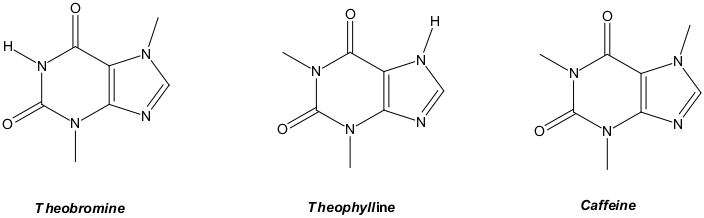
Last week I speculated on chocolate supplements to fight COVID. If you recall, both tea and chocolate are sources of theobromine. Since then I learned of disputes over statements on Facebook. It seems that a page attributed a tea-cure theory to Dr. Li Wenliang, who treated early COVID, yet there’s no record that he ever said it. The Facebook item also cited tea compounds (methylxanthine, theobromine, and theophylline). The rebuttals note that a tea-cure lacks medical evidence, and that these compounds affect patient airways, and say that only antiviral drugs treat viruses.

The original chemical list there is redundant, so its expertise is doubtful. Methylxanthine is a generic term for theobromine, theophylline, and caffeine, among others. But the rebuttals are no better. They rely on flawed logic and missing facts. Fine, it’s fair to say that there’s no evidence. That’s normal for a new theory. But there’s also no evidence that it won’t work.

In fact, the critics so far don’t seem to know the science. As an example, green tea is antiviral against flu (as is cocoa), HSV, enterovirus, rotavirus, Epstein Barr virus, and HIV. Yet those infections persist, so clearly “antiviral” doesn’t necessarily mean “cure”. There the main effect is likely due to polyphenols that hinder attachment of the virus to human cells; once a beastie attaches, they likely can’t stop it from replicating inside the cell. But our focus is on dilute theobromine that may play a role in viral replication and might help with a cure. As of yet, I’m unaware of theobromine-specific tests against COVID or other viruses, even in petri dishes.

I’d also noted that antiviral drugs (vs. vaccines) have key structural analogs to theobromine, and both affect physiology. I could also add, teas have anti-cancer effects, and those mechanisms are related to anti-viral effects. Admittedly, theobromine is a long shot against COVID, but everything is a long shot until it’s tested. Most new ideas don’t work.

So, we come to gut-checks. With tea-drinkers and chocolate-eaters, we’d expect lower COVID rates or shorter duration in those demographics. Then why don’t we see a slam-dunk in Asia, a major tea-consuming region? It may reflect a need for more theobromine than tea-lovers get from their ordinary habits, just as my calculations found the concentration is too low.

In any case, I’d looked into theobromine-richer dark chocolate. Those inferences are also limited. Chocolate is popular, but how many people eat much of it daily? That small group would be our study population. And there’s a control issue: variation in natural products. Good suppliers test and mix herbal batches to guarantee threshold concentrations of medicinal natural compounds. I don’t recall seeing theobromine quality control on labels for normal chocolate.

Turning to the molecular level, in synthetic antivirals the chemically bonded sugar (ribose) component appears to help the alkaloid (nucleobase) portion get carried to our cells’ genetic factories. However, I’ve seen nothing that says free theobromine isn’t transported to genetic factories, too. In fact, we know that an analog, caffeine, slides between helical turns of DNA and RNA. So, it’s clear that unmodified alkaloids do get there.

Here somebody could argue that if theobromine really works in the same way as synthetic antivirals, then overdosing on the stuff should produce carcinogenic mutations. However, the polyphenols in tea have anticarcinogenic properties, so the effect could be masked. Chocolate has a similar polyphenol profile, so maybe we should limit the biostudies to theobromine itself.

Bottom line? The theory is not yet disproved. Naysayers should cite data and interpret it strictly within its scope. Otherwise their own inaccuracies are just as bad as what they quench.

  ******* 

Methylxanthines
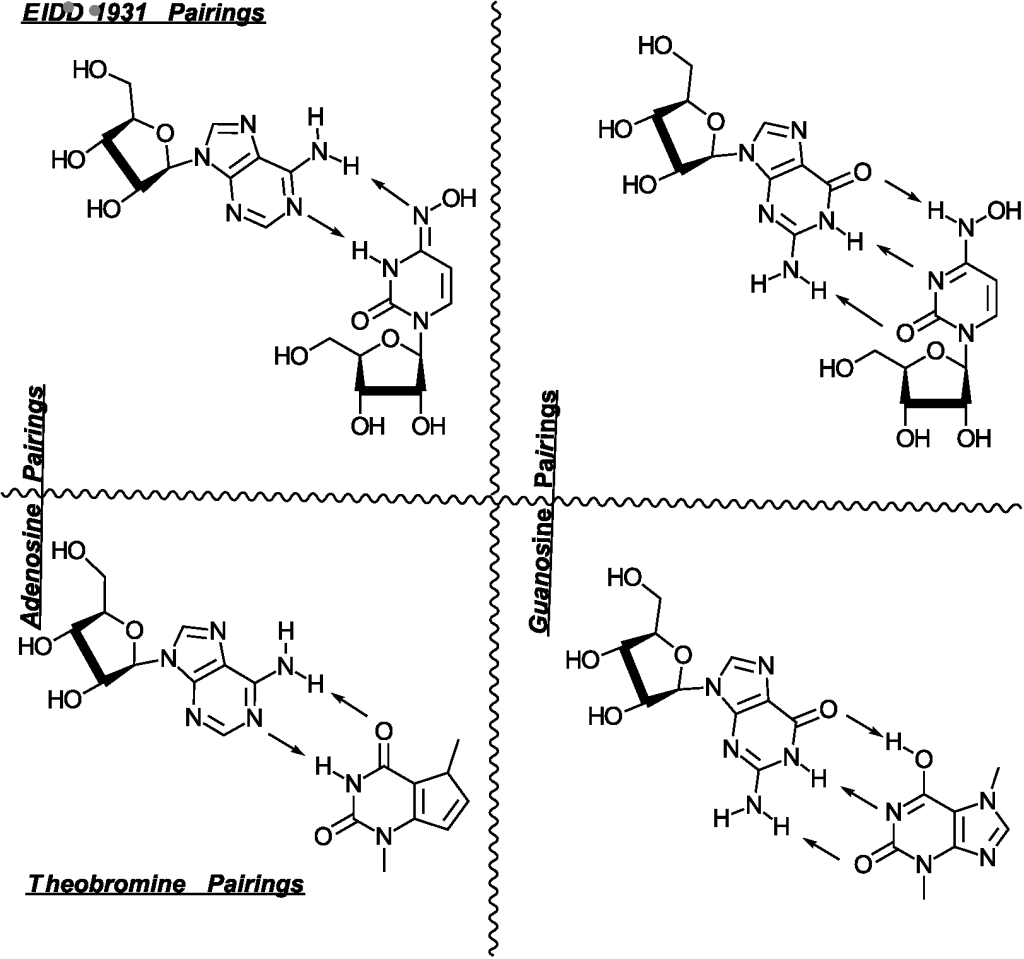
Examples of  nucleobase-like alkaloids; all are methylxanthines

Can Chocolate Cure COVID?

When I was a kid, there were good drugs for bacterial diseases but you were flat out of luck if you were sick with any kind of virus. A lot has changed since then. Today I hypothesize that even chocolate may have an effect on COVID, by comparison to other known antivirals.

Apart from zinc, the biggest revolution in antivirals has been organic conjugates, meaning molecules with at least two major parts. For antivirals they’re usually: (1) ribose sugar, (2) nucleobase, and maybe (3) phosphate. For the non-chemists out there (bless you for reading this post), you can think of phosphate as being like phosphoric acid in sodas. And you can think of some nucleobases as being like caffeine and the rest as like caffeine’s little brother or sister.

Getting back to conjugates: each one mimics an individual bead in the string of pearls known as RNA (the “other” DNA). Antiviral conjugates (usually) have some unnatural feature in that bead, so when the body inserts them into copies of the viral code, they gum up the genetic factory. Dennis Liotta and others at Emory University in Atlanta, and their collaborators, pioneered much of that. If memory serves, their drugs addressed HIV, HBV, HCV and HDV.

Gilead Pharmaceuticals acquired the rights to those for a cool half-billion dollars; not bad for a university invention. Liotta is interesting – and gracious, if you ever meet him. Most drug research careers are fortunate to have even one success. He has several. And he pioneered intriguing computer modeling of drugs before antivirals hit the big time.

Recently Gilead has been validating a drug called remdesivir, where the RNA bead is doubled in size by molecular additions. The bulk forces a stop in RNA reproduction; it is somewhat delayed. It didn’t work out in hoped-for use against Ebola and Marburg viruses but was found to stop SARS and some other viruses. Remdesivir now has U.S. permission for emergency use against COVID-19. This drug is best administered early in the illness because otherwise the bodily damage is already done, but that will likely be true for all drugs against COVID. Also, remdesivir must be injected.

The group at Emory, including George Painter (one of Liotta’s long-time colleagues and a coinventor of his prior successful drugs) is now trying even simpler molecules than remdesivir – much simpler. Which means, elegant. For the nucleobase half of the conjugate, he uses a derivative (an oxime, if you know the term), and leaves off the phosphate. A key feature is how the nucleobase alternates between two different molecular forms, so some of the time the structure complexes in one way with RNA, and some of the time it mates in a different way. In this case, each variation pairs with a different type of opposite nucleobase in long-chain RNA.

The alternate structures are called tautomers. This set causes the body’s RNA-reading enzymes to make a lot of mistakes, leading to a huge number of mutations so the virus can’t function.  To enable use in pill form (where the conjugate must pass through the gut wall) the inventors added a minor modification, forming a prodrug named EIDD-2801. Prodrugs get cleaved by enzymes in the bloodstream and revert to the active form. EIDD-2801 (or technically, its active form in the blood, EIDD-1931) works as well against COVID-19 as remdesivir does, AND evades development of drug resistance.

The history is curious, as discussed in the C&EN article cited below. The Russians and Poles tested the same active form 40-plus years ago against smallpox. More recently one of the teams that tests EIDD-2801 for the Emory group (this one is at Vanderbilt) had routinely predicted for years that some kind of coronavirus pandemic is inevitable. And here we are.

Of course, tautomers themselves aren’t new. ALL regular nucleobases in DNA and RNA are tautomeric. And I find online that at least one natural nucleobase variant, isoguanine, is already known to cause mutations in DNA. In fact, the Emory folks contemplated a large number of alternatives: see the patent cited below, but be forewarned that it’s not short. So, I wondered whether nucleobases alone could have antiviral benefits without the rest of the conjugate.

My reading finds that in fact certain free nucleobases (oxypurinol and allopurinol) are known to fight viruses, including flu, colds and cold sores. They act by inhibiting certain enzymes (xanthine oxidase(s)). And those nucleobases are being investigated as combination drugs to address serious complications of COVID-19: acute kidney injury and acute pulmonary injury. It makes me wonder: do oxypurinol and allopurinol have a parallel benefit of triggering mutations in COVID’s genetic replication? Stranger things have happened in drug research.

That brings us to the possibility of natural alternatives. The first choice is caffeine because it is cheap and abundant. Yet its methylation hinders the kind of pairing leveraged by the Emory folks. A better natural option may be theobromine, which acts like caffeine in tea, chocolate, and kola nuts. Both caffeine and theobromine inhibit xanthine oxidase. But to reach the ballpark of virus-effective doses (~40 mg/L) in purinol literature might require a cup of strong tea every two hours (~4 mg/cup). That would hinder sleep and also have diuretic effects.

Fortunately, dark chocolate has much higher concentrations (~1%) of theobromine. Now that sounds feasible. (But milk chocolate has only ~0.1%.) Since a regular-sized dark chocolate bar is ~1.5 oz., its theobromine content falls in the reported effective dose range. We know the body can tolerate a much higher dose (about 10X is the equivalent seen in allopurinol pills for gout etc.); and the body doesn’t get theobromine shakes until 0.8 – 1.5 g/day. So, we can consider consumption approaching one regular dark chocolate bar every 90 minutes.

Every 90 minutes sounds excessive even for a dark-chocaholic like me … ah, heck … let’s run the numbers. One extra-large bar per day (6.8 oz) is like one regular bar every ~4 hours. Working off the calories would require an extra … 7-10 miles of walking or running … per day. Oops. Forget super-sizing this week.

Maybe we can improve on that. Cocoa powder has twice the theobromine by weight and 60% fewer calories. However, it’s bitter, so we’d have to choke it back in pill form. Forget it. Who wants to swallow 63 aspirin-sized cocoa-powder pills to get the theobromine equivalent of a regular-sized dark chocolate bar? I’ll stick with actual chocolate for now.

Now, having said that, nobody really knows whether taking chocolate supplements can help fight off COVID. But I’m willing to try the experiment for the sake of science.

  ******* 

Food for Thought

Bethany Halford, “An emerging antiviral takes aim at COVID-19,” Chem. & Eng. News (5/5/2020).

https://cen.acs.org/pharmaceuticals/drug-development/emerging-antiviral-takes-aim-COVID-19/98/web/2020/05 (open access)

Dennis C. Liotta, George R. Painter, Gregory R. Bluemling, and Abel de la Rosa. (Emory University). “Nucleotide and nucleoside therapeutic compositions and uses related thereto,” U.S. Patent No. 10,149,859 B2 (12/11/2018).

https://patents.google.com/patent/US10149859B2/en

Anonymous, “XORTX launches XRx-101, a new program to treat coronavirus COVID-19 infection” “XRx-101 – a triple action approach to suppressing COVID-19 injury,” Biospace (3/16/2020)

https://www.biospace.com/article/releases/xortx-launches-xrx-101-a-new-program-to-treat-coronavirus-covid-19-infection/

Laurence A. Moran, “Tautomers of adenine, cytosine, guanine, and thymine” (7/17/2007)

https://sandwalk.blogspot.com/2007/07/tautomers-of-adenine-cytosine-guanine.html

On Viruses and Centipedes

It’s been 96 days since my last post, roughly the period since the new revolution in U.S. health policies. I won’t make excuses. Ironically, since before any of this started, I’ve been trying to find a literary agent for my debut novel (upmarket thriller) about a race-to-the-cure for a pandemic, by a drug developer who must also come to terms with personal responsibility. If you know of an agent who may be interested, please leave their name in a comment on this blog.  

Meanwhile I’ve been busy. One project supported work for an anti-COVID mask and filter technology that is ready for prime time. That device is more than anti-viral – it’s also antibacterial, antiprotozoan, etc. It turns out that disinfectants are simultaneously elegant and crude. I’ll talk about bacteria first.

Bacterial cells have an outer wall that is roughly 100 to 400 chemical bonds thick. It’s made of linear proteins that look somewhat like centipedes at the molecular level, with branches out to the sides of a long spine. The branches, in turn, have plus- and minus-charged groups at their ends. When the polymers are laid out in an array, the charged groups overlap, forming an elegant and very tough protein network. What do I mean by tough? Think of a cross between nylon and the rubbery covering on a golf ball. Chemically, that’s pretty close to the reality.

Now, that wall can be cracked by exposure to plus and minus charges (they always come paired) in water. Traditional soaps work that way, as do ammonium salts and related disinfectants. Charges in liquid will drill down through the wall, or make it bubble up like solvent does when stripping a layer of paint. Then a combination of leaking and charge-gelling of the guts kills the micro-beastie. My back-of-the-envelope math on the ratio of outside charges to germ cells at the lower effective concentrations finds about a billion to one – comparable to covering the outer surface of every pathogen cell with disinfectant molecules. It’s a massacre.

Of course, not every charge in that solution will find its way to a bacterial surface. Also, many charges will diffuse away and cripple additional germ cells after the kills. Still, seeing that billion-to-one ratio changed my thinking about how disinfectants work.

Yet that isn’t the main point. So, first, more context. As a virus, COVID-19 is unusual in having only a fatty double layer as shielding, and the layers are borrowed from humans. They’re destroyed by soap or disinfectants, in fact COVID-19 is *very* easy to kill in the open. Sadly, the same conditions could harm internal human cells, so drinking soap is not an advisable cure.

Moving on, most other viruses have a shell called a capsid instead of – or sometimes inside of – that soft double layer. Capsids are still mysterious. They’re tough and made of protein. Famously, they have polygon shapes, and each side is formed from a panel. We know a bit about protein composition in the panels, and a lot less about how panels are held together at edges and corners. Now I come to a personal epiphany, after reading lists of which disinfectants work for what. Certain ammonium salts devastate capsid viruses as readily as they knock out bacteria. So, if I speculate / hypothesize wildly, capsid shells *might* form by the same strategy as for bacterial cell walls – by clicking centipede structures into place at their charge points.

It gets better. The centipede shape is often referred to as a bottle-brush structure, and has some opposite applications at the microbial level. For instance, some bacteriophages – which are viruses that attack bacteria – have the same centipede-like shape and charge arrangements. Meaning, centipedes gather as walls, yet centipedes can also storm the walls.

A recent study mimicked the centipede paradigm with a cellulose backbone and acrylic branches (terminated with charges). That was extremely effective at killing bacteria. But unlike traditional disinfectants, this one was broken down by enzymes that are ubiquitous in the outdoors. And the decomposition products were no longer antibiotic, making them ecologically friendly. Yet I don’t know what the fate would be for nano-acrylic residues in the environment. Possibly further innovation may be needed, but the disinfectant proof of concept is exquisite.

Now, don’t get the wrong idea. Though all this science is elegant, I’m relieved that COVID-19 has no capsid. THAT could present much bigger problems than we already have.

Food for Thought

W. Zheng, M. Anzaldua, A. Arora, et al., “Environmentally benign nanoantibiotics with a built-in deactivation switch responsive to natural habitats,” Biomacromolecules, open-access preprint (April 7, 2020) posted in full at:

https://pubs.acs.org/doi/10.1021/acs.biomac.0c00163

Food Proteins: Mixed Reviews

Most new science is descriptive, meaning, “I can’t explain it, but here’s what it looks like.”  I recently bumped into that again on an issue for protein digestion.

So, here’s a question.  How much does it matter what kind of protein you eat?  Does it matter if it’s vegan, or milk-based, or meat-based, beyond getting a good balance of amino acids?  What is truly toxic?  Some body builders swear by dairy proteins, but those don’t break down much faster than others, and their amino acid proportions aren’t absurdly perfect.

In fact, protein digestion is murky.  I don’t mean pre-digestion complications, such as allergies to peanuts, soy or seafood.  No, this blog is about proteins you may not notice until they’re in the GI tract, such as gluten.  Naturally some bloggers think gluten is evil incarnate.  But the studies show some people have a gut reaction to gluten, and others react little if ever.

Once we start down this path it’s tempting to imagine exotic protein metabolism, such as for snake venoms that contain proteases and other harmful proteins.  When I was a boy, first aid handbooks even taught the “cut-and-suck” method to treat snake bites.  Somehow the caretakers survived, but it’s not clear how much (if any) venom protein reached their stomachs or blood.  [Btw, handbooks now tell volunteers never to suck on snake bites.  And current practice shrinks from even suction cups, though they removed as much as 40% of snake bite venom.]

So, really, how are proteins digested?  It depends.  Most food proteins get broken down by gut enzymes that begin as oversized proteins themselves and get clipped to become active digestively.  The enzymes later pass through intestinal walls downstream – we don’t know just how – and then find their way back into the gut upstream.  We use fruit enzymes (e.g., from papayas) for similar tasks to tenderize protein foods outside the body.  Yet enzymes aren’t the only proteins that resist digestion or pass through gut walls.  And that may be either good or bad.

One such group is a class called lectins (*not* to be confused with lecithin).  These proteins seem to act as tactile sensors, so their home cells recognize visitors as friend or foe and react accordingly.  Lectins are in many foods at low levels.  Once in the gut, they act as signals that may alter the microbial ecology there, or alter hormone communications.  Then they bind to tissue surfaces, and get leaked into the blood, where they continue to mess with hormones.  Thus, they can mimic insulin, form clots, escalate cell growth, and trigger immune responses.  Eventually, since lectins aren’t digested normally, surface cells absorb and break them down.

Any of several processes can mostly disarm lectins:  moist cooking; fermentation; and sprouting.  That’s key for beans and other legumes, where lectins often occur in the highest concentrations, but lectins are also found in other food categories:  grains, dairy, fruits, and “nightshade” (Solanaceae) veggies such as tomatoes, potatoes, peppers, and eggplant.

Bottom line:  next time someone tells you which proteins you should be eating (or not), take it with a huge grain of salt.  What we think we know about it still has a lot of guesswork.   

Platelet Food Fights

Earlier this year I discovered that binges with Diet Dr. Pepper were dropping my platelet counts. I needed the caffeine and didn’t feel the dropped count physically but did feel stupid about overdoing it. After dipping into 6 or 8 potential blogs’ worth of background, I’ve since realized that food effects on platelets are varied and complex – but also that recommendations in this field are based on limited clinical data. Much of it is from test tubes or animal studies.

In case you’ve forgotten the biology:  platelets are a blood component, aka thrombocytes. Collagen protein at wound sites turns them on and gives them a scaffold for clumping, to stanch the bleeding. We have 5-10% as many platelets as red blood cells, also the platelets are only one-fifth their size, and in general women produce more than men do.  Normally the body keeps platelets inactive, and switches them on at wound sites.

Technically platelets aren’t even cells; they’re cytoplasm fragments.  And they expire after just 8 or 9 days, so bone marrow keeps cranking them out.  Certain foods limit production: alcohol, cranberry juice, pomegranates, garlic, onion, quinine (in tonic water and bitter lemon), tryptophan amino acid (in turkey meat), omega 3-rich seafoods, aspartame artificial sweetener, and maybe cow’s milk.  Interestingly, cranberry juice is a recovery drink at blood donor centers; it may not matter as collection frequency is 14 days, i.e., longer than platelet cycles.

Now you’d think that platelets are a good thing, otherwise we might bleed to death after any cut. But the technical literature praises anti-platelet foods, because less clumping is good for cardiovascular health. The jargon is confusing, because the term “anti-platelet” describes both production cutbacks and clumping cutbacks, even though some foods do only one or the other. Btw, the clumping reductions are achieved by making the things less self-sticky.

The anti-platelet literature has an opposite universe that addresses platelet scarcity due to disorders. This includes minimizing foods that trigger natural blood thinners, such as garlic, onions, tomatoes, red/purple grapes and berries. Ginger and ginseng can similarly thin the blood.  And the phenolic compounds (not the caffeine) in coffee also have a clumping cutback effect.

To increase platelet counts physicians advise eating foods rich in iron, folates, and certain vitamins: B12, C, D and K. The foods shown below appear in multiple categories for that.

  • Beans and bean-derived products (e.g., tofu, natto);
  • Dark leafy greens;
  • Cruciferous vegetables (cabbage family, including broccoli, kale, Brussel sprouts, bok choy, arugula, collards, watercress, radishes, etc.);
  • Fruit;
  • Fortified foods (grains and dairy or dairy alternatives) and yeast;
  • (For the carnivorous) eggs, fish and beef; and
  • Supplements.  

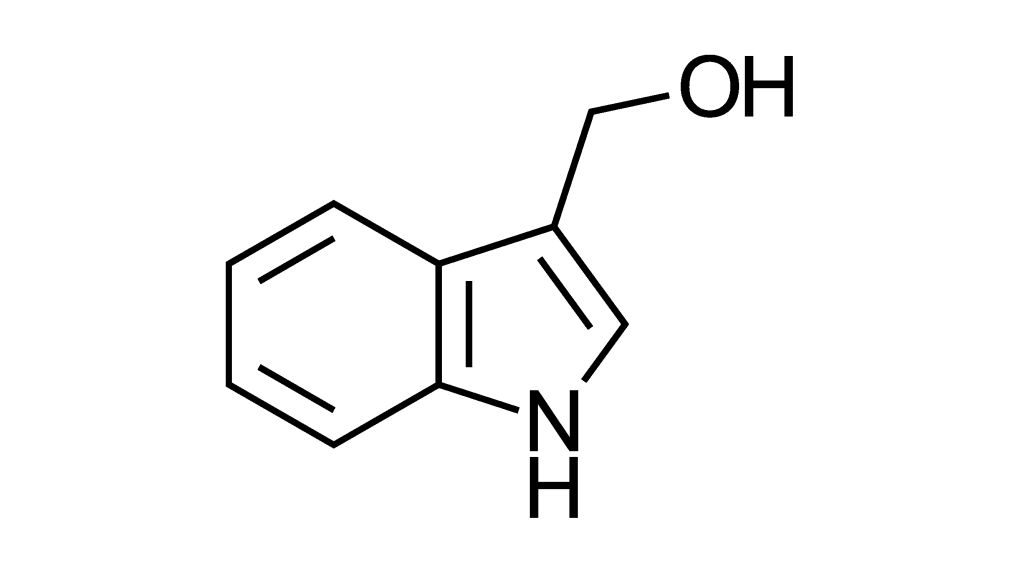
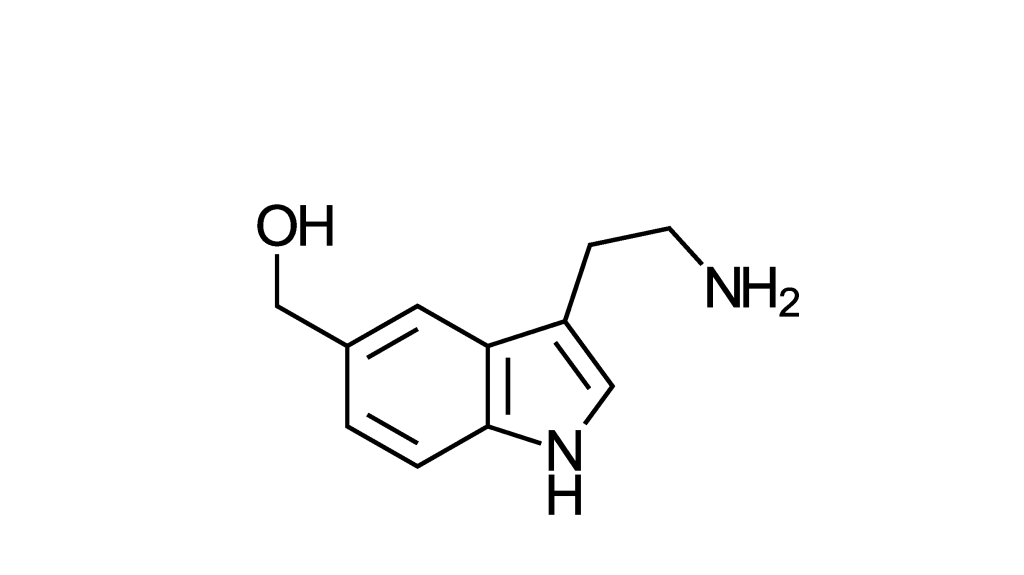
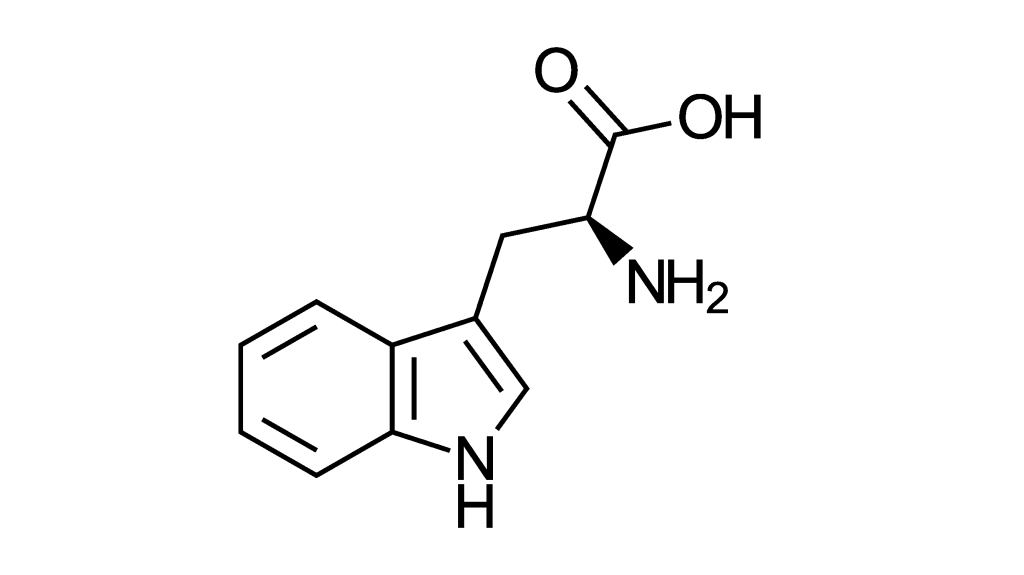
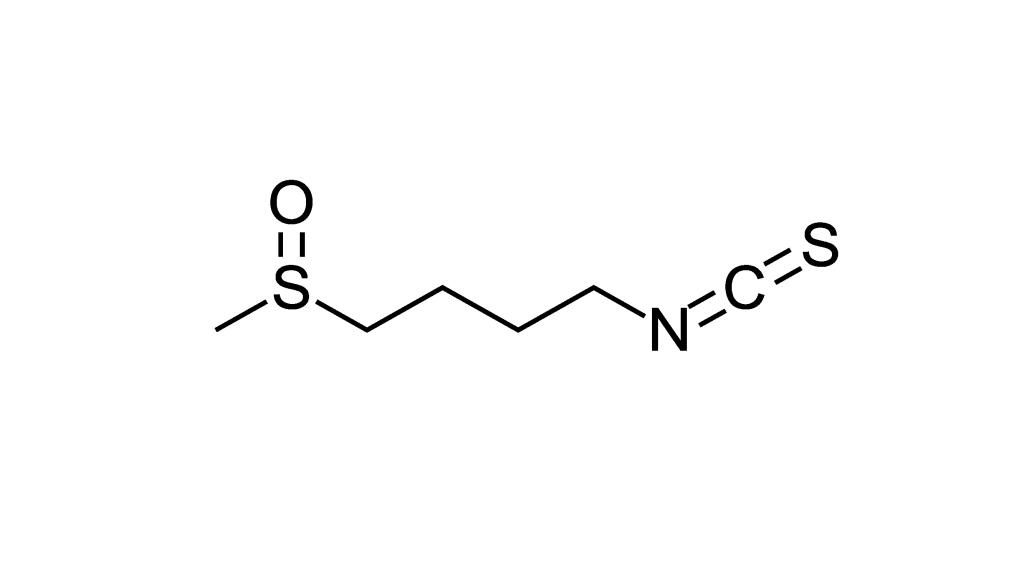
Cruciferous veggies merit special respect:  they make at least four types of compounds that inhibit activation (i.e., inhibit clumping): (A) vitamin C; (B) indole-3-carbinol; (C) sulforaphane (an isothiocyanate); and (D) anthocyanins, including natural dyes in red cabbage and radishes.  Readers interested in cancer should note:  (B) and (C) are anti-cancer, and (A) and (D) are antioxidants and perhaps anti-cancer.  Also, cruciferous vegetables are antimicrobial. Interestingly, indole-3-carbinol is chemically similar to serotonin (the brain’s happiness compound) and tryptophan (the sleep-inducing amino acid in turkey). Tryptophan reduces platelet counts, as noted above. By contrast, serotonin – which the body makes from tryptophan – is densely concentrated in platelets, and also regulates activity in the blood, and also is part of the machinery of immune complexes, and also weakly triggers clumping and shrinkage of blood vessels. So this is an instance where chemical similarity is a poor predictor of the medical effect.

Indole-3-carbinol
Serotonin
Tryptophan
Sulforaphane

Food for Thought

B.J. McEwen, “The influence of diet and nutrients on platelet function,” Seminars in Thrombosis and Hemostasis, 40(2):214-216 (March 2014), abstract posted at https://www.ncbi.nlm.nih.gov/pubmed/24497119 .

Beata Olas, “Dietary supplements with antiplatelet activity:  A solution for everyone?”  Advances in Nutrition, 9:51-57 (2018), posted in full at https://watermark.silverchair.com/nmx014.pdf?token=AQECAHi208BE49Ooan9kkhW_Ercy7Dm3ZL_9Cf3qfKAc485ysgAAAmEwggJdBgkqhkiG9w0BBwagggJOMIICSgIBADCCAkMGCSqGSIb3DQEHATAeBglghkgBZQMEAS4wEQQMmzGXHY1hiOgM6xImAgEQgIICFPf_eQADZxqa5a8AuDZxcd8tB58FOJoa971Rc1LvdcSiSu0brVERMgOPxOfRc23DcBBDrpjRBxFFG30_EHhFGNLmrRnL8DOJji26XomM7wWqPytG4ArEP_3_U908lktY6SrvONpJppUUKHY66lapCjD3W_AyM6TpI8OM2zC-Rk36cUscS3yK5kwLre68ynR85AtIMBrH07XH0Ui2XBO6Hx-0F0hxWsTcQE3U4Qxd8WZygGl97CpcCdWQ06ezX5NItPJyU-kAzku9T1oH7W8hHMPEE4b-qWXoGSgUla7BM0QvILoiN1avMAm0XusTbzwR9Au0z2NkYKkR1bwHnRUUbEBThgL0w0IXwHVQw46zHMOHirQQYUhVPvJd3PZv-PKlba8AboF_PIgxBDgXtsesBqXJQWq89JE0UnvPg58z_6Pp0lQ2ORG0JQjcFUr-w1bI1AfNnJTj4LKfiovbelG4VyGa5Zfhgrl4ItR0C03N-5yghuJCIZ4D5UD8jBrBrB9PQf_Cu8wOXd0miYxuqnZL3-_SmF-LNSraoLYXxRXQ-dIZcRXVw6afELojK_Xokvu5jZJBGbr72gm3lOHqgxi4PRKxTEeByR_jtKkIQaintP9VpsKkQSrCziHHMOy7FRJF3T_ovvgcku0S0BUm2i2ip0BrtUyN4F3k4kp0i8JobzUg5Bf2YEOk7GQIpdub1pjo1udQKJY

Foods that Boost Drug Potency

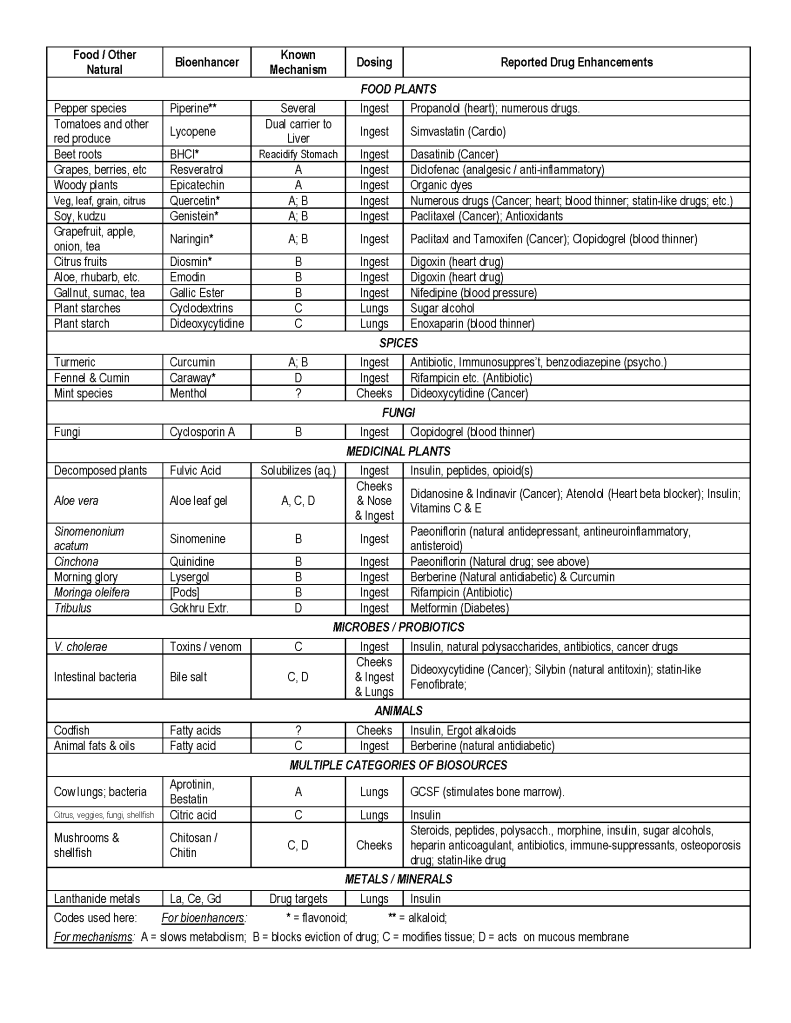
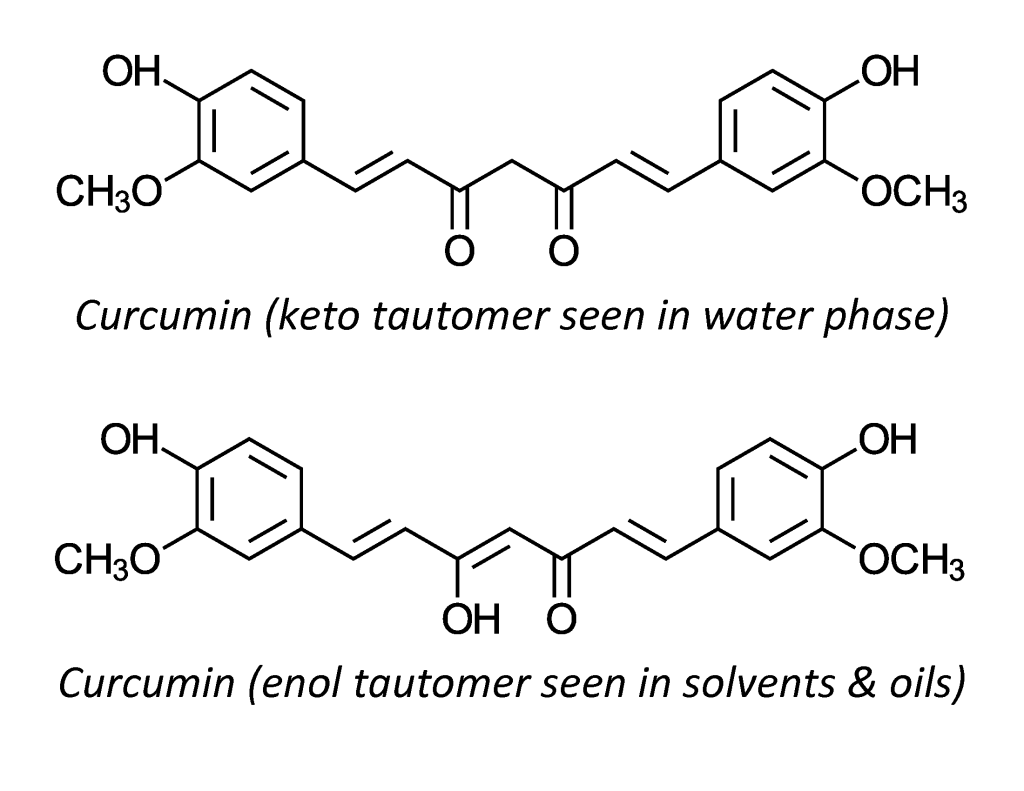
Recently I wrote that the body’s rapid excretion of quercetin leaves far too little time for the clear medical activity detected in test tubes.  But it turns out there’s a much deeper irony.  Even during its short stay quercetin enhances the bioavailability of other medicinal compounds.  The technical term is “bioenhancer” and numerous other compounds in foods do it also, including other barely-bioavailable food compounds such as curcumin.  Some of these enhancers have a double disadvantage, for instance, curcumin is not just nearly insoluble but also chemically unstable.  Yet somehow these molecules can trigger physiological switches when used to treat patients.  I distilled the following table from the Peterson et al. reference below.

Food for Thought

B. Peterson et al., “Drug bioavailability enhancing agents of natural origin (bioenhancers) that modulate drug membrane permeation and pre-systemic metabolism,” Pharmaceutics, 11(1):E33 (2019) (46 p.), abstract and link to free full text posted at https://www.ncbi.nlm.nih.gov/pubmed/30654429 .

S.A. Chavhan, S.A. Shinde, and H.N. Gupta, “Current trends on natural bioenhancers:  a review,” International Journal of Pharmacognosy and Chinese Medicine, 2(1):1-13 (2018), posted at https://pdfs.semanticscholar.org/8d6e/8b01b8ccb43dbfef9497667100d076eed3a4.pdf

K. Kesarwani and R. Gupta, “Bioavailability enhancers of herbal origin:  an overview,” Asian Pacific Journal of Tropical Biomedicine, 3(4):253-266 (2013), posted at https://www.ncbi.nlm.nih.gov/pmc/articles/PMC3634921/pdf/apjtb-03-04-253.pdf

Ask the Sage – The Pendulum Swings Back for Thujone

It’s surprising how often food polarizes us.  Fats were bad until they were good.  Then we could tolerate certain fats in a Mediterranean diet.  Then weight lifters on a paleo diet avoided them.  But ketogenic thinkers Atkins and now Fung argued that fats are good, whether from plants or animals.  So carbs are evil instead, right?  Or not?  The ketogenic South Beach diet tells users to discover their best carbs, or so says a friend who lost a lot of weight by it.

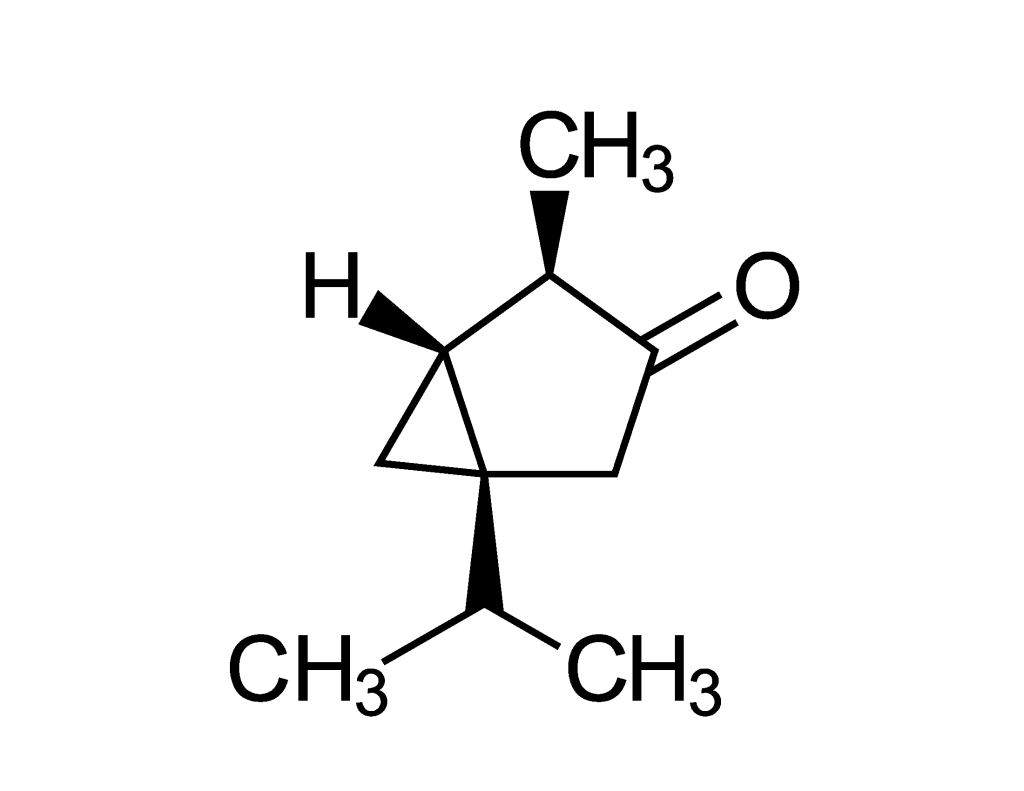
Thujone has been equally polarizing.  Here’s the background.  Thujone is a monoterpene that tastes like menthol / licorice.  It got its name from cedar / arbor-vitae oil (Thuja occidentalis L.), but it’s more widespread.  In modern times thujone was an accused hallucinogen in absinthe, which needs its own explanation.  Absinthe was the favorite bar drink of old icons such as Vincent van Gogh; it was made from biblically bitter wormwood Artemisia absinthium L.  In our day the stuff also drew criticism because 2-4 grams of thujone would be fatal to most people.  Science backed off in ~2006 upon finding that the mean historical thujone content was only ~33 mg/L (< 0.04% w/w, or <40 ppm), less significant than absinthe’s 90- to 148-proof alcohol.  If drinkers saw imaginary things, it’s because they were soused.  The irony is that – projecting from studies in mice – drinking two pints of ethanol should reduce thujone’s toxicity by half. 

Now thujone is being investigated as hero instead of villain, for teas made from the spice sage (Salvia officinalis L.).  The Latin name Salvia alludes to use as a cure.  Clinical studies are still rare for pure thujone, but thujone-containing plant extracts are antiviral, and they stimulate production and activation of immune cells (e.g., macrophages), and treat respiratory tract infections.  Thujone also has anti-vomiting / anti-nausea effects; more technically, it’s a 5-HT3 antagonist.  Folk medicine uses thujone-containing extracts against scurvy (with effect), cystitis, rheumatism, and cancer.  The terpene also crosses the blood-brain barrier, unlike many drugs.  Recently α-thujone was a magic bullet:  it induced cell suicide in tumors but left normal cells largely unscathed.  Specifically, it killed glioblastoma multiforme but not astrocytes.

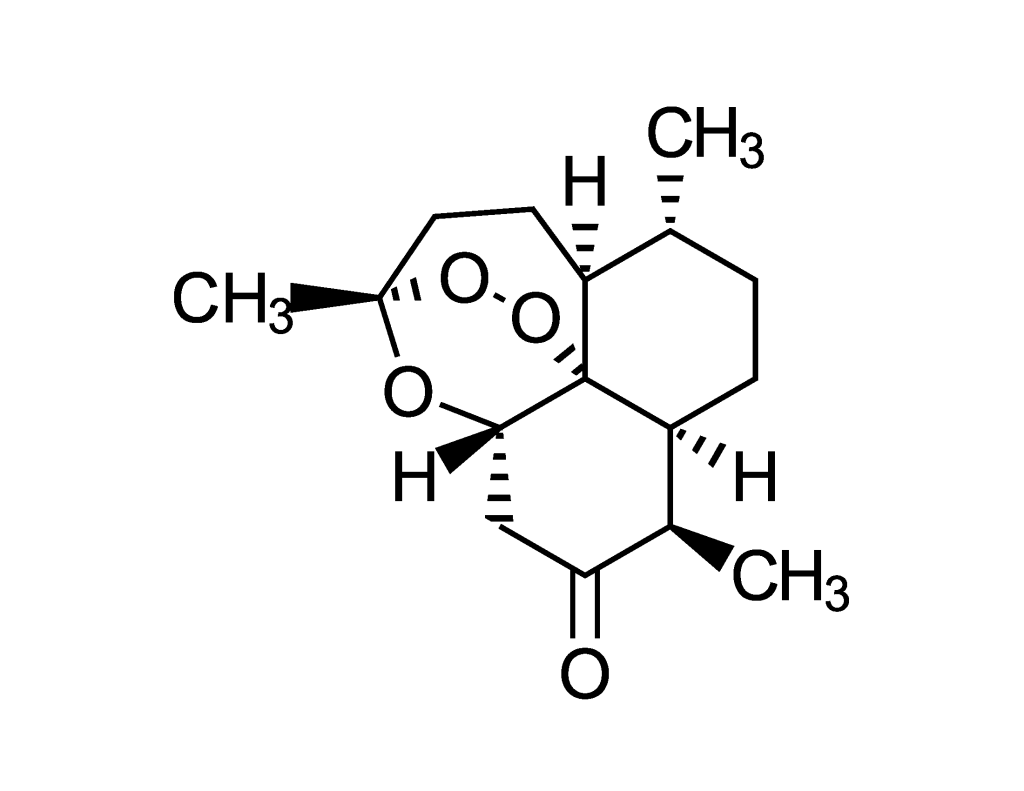
In a nice twist, thujone may double up against the baddies.  Artemisinin, which is another wormwood compound, kills iron-rich cells selectively, including both cancer and malaria cells.

That brings us to molecular details.  Ordinary sage tea has ~4.4 mg/L thujone (and up to four times that much camphor), which is much less than in absinthe and avoids alcohol side effects.  Thujone has four forms:  (+)-α-; (–)-α-; (+)-β-; and (–)-β-.  As of 2016 we know that even the uncommon (+)-α- and (–)-β- forms exist in nature, in the sage plant.  Alpha is more potent and usually more prevalent:  85:15 for (–)-α- : (+)-β-, though a 2:1 ratio is common;  the beta form may dominate elsewhere (e.g., Acantholippia salsoloides Griseb., Verbenaceae). 

Other thujonic species include oregano, mint (Mentha) species, tansy, mugwort, Nootka cypress, and some junipers.  If you’re wondering what thujone does for its host plants, it repels insects.  So, though you may avoid synthetic agricultural chemicals on your food, you’re probably eating the natural parallels anyway.  And the natural variety isn’t necessarily less toxic.  How’s that for ambivalence?

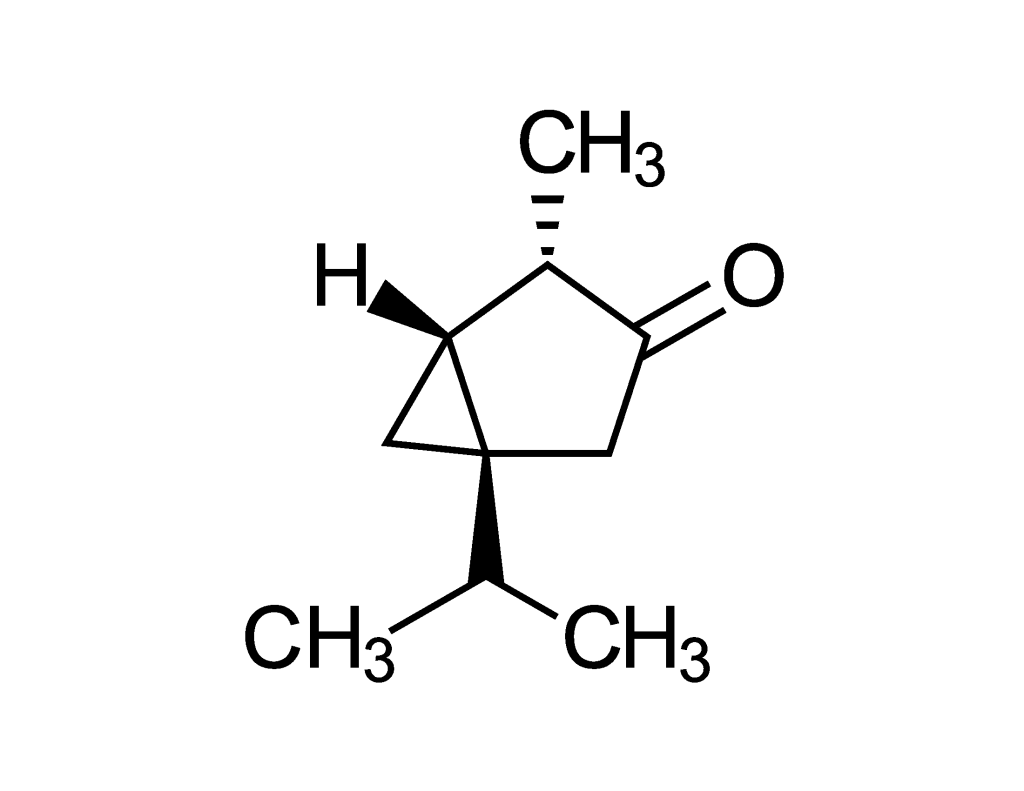
(-)-alpha-Thujone
(+)-beta-Thujone
Artemisinin

Food for Thought

Stephan G. Walch et al., “Determination of the biologically active flavour substances thujone and camphor in foods and medicines containing sage (Salvia officinalis L.),” Chemistry Central Journal, 5:44 (2011) p. 1-10, posted at https://www.ncbi.nlm.nih.gov/pmc/articles/PMC3155476/pdf/1752-153X-5-44.pdf

Quercetin: Waiting for the Right Moment

Coming-of-age stories can be brutal critiques of parents.  Speaking as someone with grown kids, I notice these things.  At this point in life the young-adult tales that resonate with me have a loving parent out of sight, giving the fledgling liberty to try out their wings.  And at some point along the way, the young person discovers that a parental gift or legacy anticipated a critical need.  Now this isn’t to say that parents have all the answers.  We clearly don’t.

Quercetin strikes me as that kind of overlooked gift.  Bear with me.  It’s a bit like explaining to certain young people that those well-meaning parents aren’t as clueless as they seem sometimes.  

You’ve probably heard of quercetin as a dietary supplement.  It’s a ubiquitous molecular core in plant-based foods – veggies, fruits, grains, leaves – they all have it.  If you take it straight the stuff is bitter, comparable to tannins, to which it is chemically related.  So, it’s best to get it in a taste-masked form, such as a food, drink or capsule. 

The literature is fairly busy with investigators who report on quercetin’s valuable biochemical effects, as seen in the test tube.  It’s an antioxidant that quenches free radicals and reduces inflammation.  Quercetin has actually terminated anaphylactic-grade peanut allergies; surprisingly but perhaps fortunately, some peanut strains have seed coats (look for the white ones) that are rich in quercetin.  The compound also reduces other allergy symptoms.  And it’s antibiotic.  And it improves cardiovascular health.  And it supports nerve health.  And it activates or inhibits various proteins in a general way (including kinase enzymes, for you biochemists).  And it interacts with estrogen receptors.  And in the lab it has certain effects on cancer cell lines.

Are you impressed yet?  I am, obviously.  Now in the plant quercetin has sugars attached at its middle ring hydroxyl.  I’d guess those appendages *might* play a role in distributing the core to various cell parts or body parts.  But it would be a transient role:  the sugars tend to be cleaved off during metabolism.

Be that as it may, clinical studies reveal a problem:  the effects are hardly noticeable in the user.  By the way, I challenge you to find a bottle label that mentions that.  The reason for the disconnect is – by my best guess – quercetin’s half-life in the body, which is only an hour or two.  In fact, the body modifies quercetin in a way that accelerates its ejection. 

Now that bad news also happens to be good news. Think about it.  When we have a constant flow of some medicine through our bodies, we’d prefer for the stuff to be medically invisible when we’re healthy, but truly potent when we’re sick.  And that’s seemingly how it works here.  When the body becomes inefficient at ejecting metabolites and other waste, quercetin comes into its own.  Its dwell time must necessarily go up, so its medicinal benefits are suddenly available in full force.  Plus, so many foods can keep adding it into the system.

Bottom line:  Quercetin is like the extra car key that a parent slipped into your pocket or handbag when you weren’t looking, in case you got locked out and in danger.  To me, that’s cool.

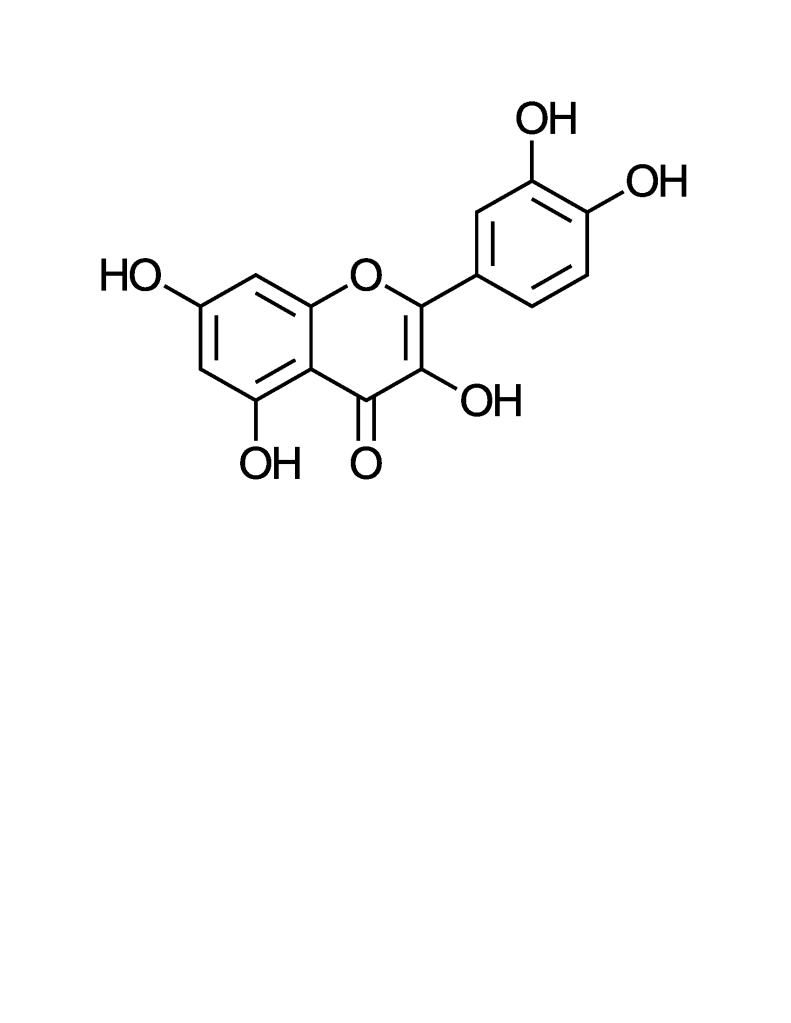
Quercetin, the aglycone of glycosides from citrus, buckwheat, onions, oak (Quercus, hence the name), etc.
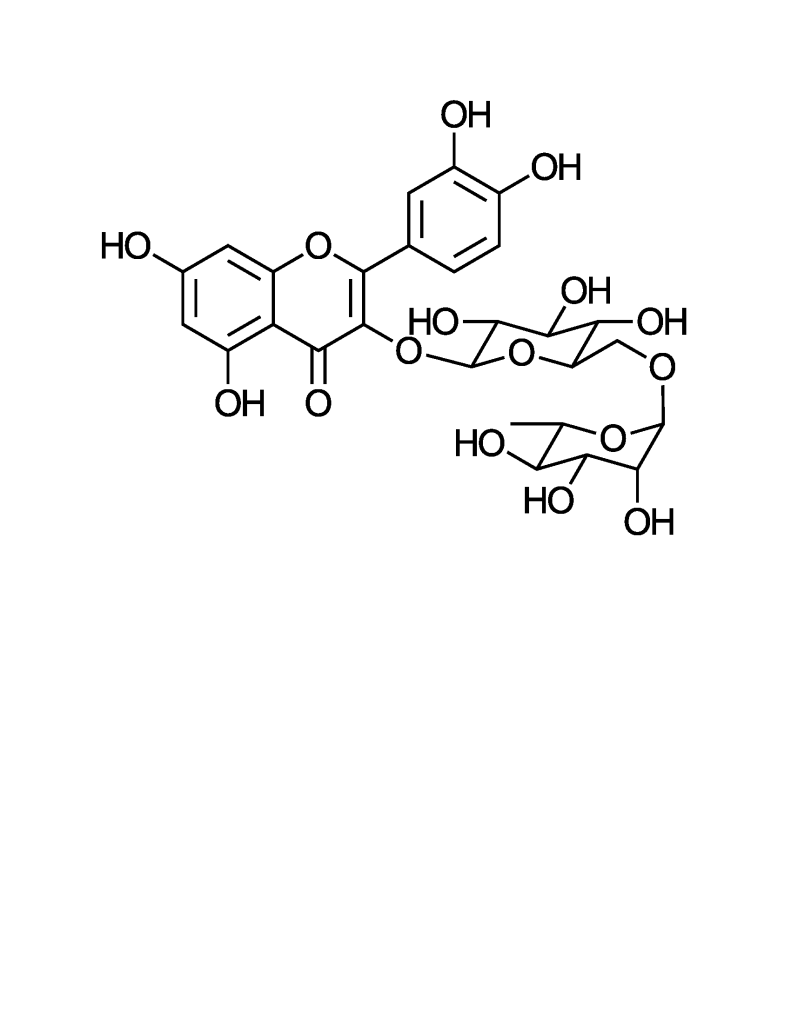
Rutin, found in capers, black olives, citrus, buckwheat, asparagus, berries, green tea, etc.

Food for Thought

Y. Li et al., “Quercetin, Inflammation and Immunity,” Nutrients, 8:167, p. 1-14 (2016), posted at:

https://www.ncbi.nlm.nih.gov/pmc/articles/PMC4808895/pdf/nutrients-08-00167.pdf

Discovery and Climate Change

During grad school (late 1980s) I attended a lecture by a visiting pioneer of climate science.  I’ve forgotten his name but it made a huge impression when he said climate models were a work in progress:  at one point the field realized they’d omitted the oceans as a reservoir for dissolved CO2.  Leaving out the oceans – sheesh!  But I doubt I would have done better.  Consider weather models:  just a handful of factors render them hugely complex: pressure, heat, moisture and fluid flow.  Now throw in chemistry, biology and human impact, and you have the exponentially greater challenge of climate analysis. 

The modeling problem intrigued me, so I periodically read up on emerging factors.  Some theories have sounded interesting but failed to pan out.  For instance, solar escalation had been hypothesized to over-warm the planet, but it became clear that it doesn’t.  Another factor is newly discovered quirks in the nitrogen cycle, due to reactions in soil; the jury is still out on just how that will change the models.  And then there’s my current topic, geothermal heating.

Here we’re not talking about the tame hot springs that attract tourists.  We’re looking at volcanos with magma that obliterates everything in its path.  Volcanos meet glaciers – it sounds like a Godzilla movie.  Now, even young children know that eruptions inject massive heat and sulfur oxides into the skies.  It’s less obvious that volcanos cut both ways.  After Mount St. Helens blew, studies concluded that its soot had a cooling effect.  That might seem like a local phenomenon, but the soot spread globally in the atmosphere and stayed aloft, yielding amazing sunsets for several months – and I was 3,000 miles to the East when I was watching them.

Volcanic events aren’t as rare in the oceans.  Sea-bottom hydrothermal vents (including lava flows) are common and so perpetual they have their own ecology.  Temperatures can surpass 400°C (the water doesn’t boil, because the pressure is huge at those depths).  And they provide a reported 13% of the sea’s global energy without throwing up sky-high clouds of bilious soot.  Basically, the edge of the planetary core is a nuclear reactor.  Heat finds outlets, so eventually some of it seeps through fissures in the ocean floor to energize the water.

Still, that 13% heat contribution was only someone’s extrapolation, since 95% of the ocean floor is unmapped and we don’t know where all the vents are.  And as far as I can tell, we don’t actually know that heat transfers in those venues are in an aggregate steady state.  The overall trend could be rising, or falling, or oscillating.  In theory it could even be driving climate change, though the specialists don’t seem to be assuming that.

So we’re back to continental volcanos.  In 2017, dozens were discovered beneath western Antarctic ice, tripling its known number to 138; there may be as many as 1,000.  Being frozen, it’s a safe bet they’re not throwing off heat, but some voices worry that anthropogenic warming will melt away their thick icy coat, destabilizing dormant volcanos and escalating global heat. 

Hmm.  Yet for me the prospect of rising seas could be worse.  It could be rising seas with the wretched left to fend for themselves.  So what legacy are we creating here – panicky elbows-out survivalism?  There seems to be no lack of that.  I’m opting for a more inspiring model.